Mom and Baby Giraffe Folding Papercut Review
When I first pulled up the Mom and Baby Giraffe Folding Papercut on my screen, my immediate reaction wasn't just about the cuteness factor, though that is certainly high. As a designer who spends half their life staring at digitized files and the other half troubleshooting thread breaks, I looked at this with a critical eye for application. This isn't just a graphic; it is a potential asset for a craft business or a heartfelt personalized gift. The silhouette style inherent in a papercut design translates beautifully to embroidery, provided the digitizing respects the negative space. My first impression was one of warmth and tenderness, perfectly suited for nursery decor or baby apparel, but I needed to know if it could hold up under the needle.
Visual Personality and Design Layout
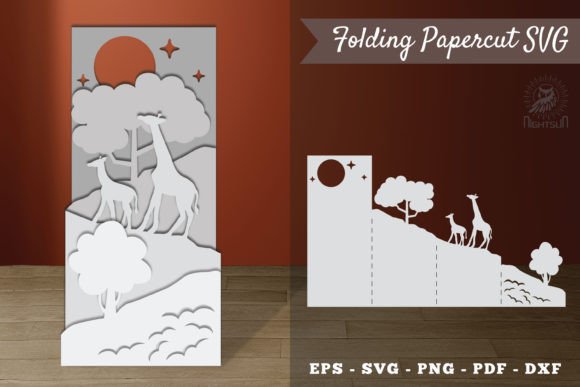
The charm of the Mom and Baby Giraffe Folding Papercut lies in its simplicity. Unlike complex photo-realistic designs that demand thousands of stitches and endless color changes, this piece relies on shape and form. The layout suggests a close bond between the two figures, creating an emotional hook that customers love. For an embroidery project, this means we are likely looking at clean fill areas or perhaps a satin stitch border to define the edges, depending on how the file has been prepared for stitching. The visual personality is soft and inviting, making it an ideal candidate for products where comfort and aesthetics go hand in hand. It avoids the clutter that often plagues small hoop designs, ensuring that the main subject remains the focal point without getting lost in excessive detail.
Real-World Application: The Boutique Sweatshirt Scenario
To truly test the viability of this design, I imagined a specific real-life scenario: a custom order for a local boutique expecting a run of matching mother-and-child sweatshirt embroidery. The client wanted something unique but not overly childish, something that would look good on a grown woman as well as a toddler. The Mom and Baby Giraffe Folding Papercut fits this brief perfectly. On a heather grey French terry fabric, a deep chocolate brown or a classic navy thread would provide excellent contrast. Because the design mimics a paper cutout, it implies solid blocks of color, which stitch out cleanly on textured fabrics like sweatshirt fleece. The lack of intricate internal detailing means less risk of the design becoming a muddy mess after a few washes. For an Etsy seller, this kind of versatility is gold; it allows you to market the same digital embroidery file across different demographics simply by changing the thread palette and garment choice.
Versatility Across Product Lines
Beyond apparel, this design shines in home goods. Imagine this stitched onto a linen tote bag design for a grocery run or a beach day. The sturdy canvas of a tote bag supports the density of a fill stitch well, preventing the fabric from puckering. It would also make a stunning embroidered patch if digitized with a merrowed edge or a tight satin border, allowing customers to iron it onto denim jackets or backpacks. For those focusing on the nursery market, applying this to a muslin swaddle blanket or a crib pillow cover adds a touch of handmade elegance. The theme naturally leans toward baby embroidery, but because giraffes are timeless animals, it doesn't feel restricted to infants. It works equally well as a holiday embroidery accent for a Christmas stocking or a sweet addition to a kitchen towel set for a housewarming gift.
Technical Considerations and Fabric Challenges
While the aesthetic is strong, practical execution requires attention to detail. When working with a silhouette-heavy design like the Mom and Baby Giraffe Folding Papercut, stitch density is the most critical variable. If the fill is too dense, the fabric will pucker, especially on stretchy materials like jersey knits used for t-shirts. Conversely, if the density is too low, the fabric grain might show through, ruining the solid "papercut" illusion. Before committing to a final finished product, I always advise running a test on scrap fabric identical to your final material. Pay close attention to the connection points between the mom and baby giraffe; these narrow bridges are vulnerable to thread breaks if the tension is too high or if the underlay is insufficient.
Textured fabrics present another challenge. While the design looks great on fleece, very looped towels can obscure fine details. If you are stitching on dark fabric, ensure your underlay is robust enough to prevent the background color from bleeding through the top threads. For curved surfaces like caps, the placement of the giraffes' necks and legs needs careful hooping to avoid distortion. A standard hoop size should accommodate this design comfortably, but always check the dimensions against your machine's capabilities before purchasing. Since the product listing specifies vector formats like SVG, AI, and EPS alongside PNG and PDF, it suggests the source art is scalable. However, remember that these are primarily cutting files. If you are using this for machine embroidery, you must ensure you have a properly digitized embroidery file (like PES, DST, or XXX) derived from these graphics, or be prepared to digitize it yourself to control the stitch types—whether that be a smooth satin stitch for outlines or a tatami fill for the bodies.
Enhancing Brand Value and Customer Trust
Using high-quality, thoughtful designs directly impacts your brand perception. When a customer receives a handmade product featuring the Mom and Baby Giraffe Folding Papercut, they aren't just buying a shirt; they are buying a sentiment. Clean stitching, appropriate thread choices, and a design that holds up over time build trust. Sloppy execution on a beautiful design, however, can damage your reputation quickly. This design encourages professionalism because its simplicity leaves nowhere to hide errors. Every stitch counts. For commercial embroidery projects, consistency is key. If you are selling this as part of a collection, ensure your thread colors match your brand guidelines strictly. A consistent look across your small shop product line helps with recognition and buyer engagement.
Final Designer Notes and Best Practices
Before launching this design into your production queue, take a moment to review the technical specifics. The "WHAT YOU GET" section lists SVG, AI, EPS, PNG, PDF, and DXF files. These are excellent for cutting machines and print mockups, allowing you to create professional printable mockup images for your online store before you even stitch a single thread. However, for actual stitching, verify you have the correct machine format. Test the design in both black and white mockups to ensure the contrast holds up without color reliance. Check the licensing terms carefully; while many designs allow for commercial use on physical items, reselling the digital file itself is often prohibited. Always use the proper stabilizer for your fabric type—cut-away for knits and tear-away for wovens—to ensure the longevity of the custom apparel. With the right preparation, the Mom and Baby Giraffe Folding Papercut can be a standout star in your portfolio, bridging the gap between tender emotion and durable design.